
Have you ever watched someone giving a presentation and misheard something they said because you were too busy reading the slides? Maybe you were sitting there thinking, “Well this is boring” and plotting your escape route? Most of us have experienced it at some point, and some of us have been on the other side, presenting to dead stares.
Well there’s a ton of ways to jazz up your presentation to keep your audience’s attention for longer than half of your presentation. From adding visual aids to bolding text to make words stand out, there are tips galore. Some of these may have worked for you in the past, others not so much. You may still be searching for a powerful presentation tool or a way to energize and engage your audience during your presentation. Well, I came across an interesting presentation format that is becoming increasingly more popular for just that reason called PechaKucha. At the end of this article, I actually dive into my very own PechaKucha!
Pechakucha was created by Astrid Klein and Mark Dytham in Japan in the early 2000’s. The word, PechaKucha, actually translates to “chit chat” in Japanese. This Japanese term was adopted by Mark and Astrid as a new presentation style. That is exactly the style of this presentation format. Instead of long drawn out slides with excessive details on each slide, it’s the exact opposite! It forces you to get to the point in an effective and quick manner. At the same time it eliminates the typical presentations that drag on and on and leads to rambling and missed points.
PechaKucha Has Been Growing at an Incredible Rate
PechaKucha has become so popular that venues hold PechaKucha events. One prominent organization hosts these PechaKucha Nights around the world from Bangkok to Brooklyn! An evening where people come together to present whatever is on their mind. Whether it’s work related or hobby related, they present it in this typical format.
Speaking of its influence outside of the business world. According to CNBC, “…it’s not just for business purposes — speakers, elementary schools and universities also use PechaKucha as an educational tool. The format forces you to speak more concisely and clearly…” In a quick search on any social media platforms, there’s tons of videos of PechaKucha being used by teachers. Even more videos of students presenting their projects in class using a PechaKucha format. PechaKucha has captivated audiences, increased audience retention, and enhanced presentations.
What Exactly is PechaKucha
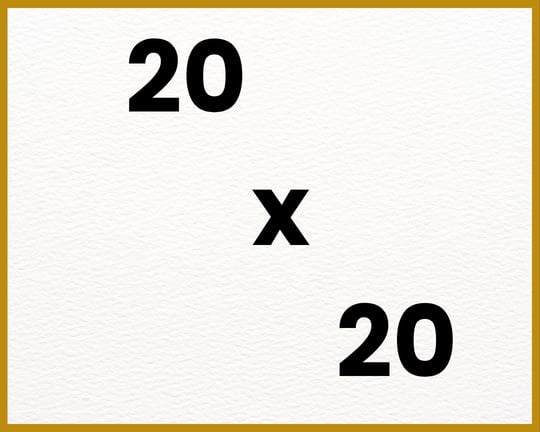
PechaKucha is a presentation format that is sweeping the nation with its fast paced and upbeat style. The premise is 20 slides, and each slide gets 20 seconds. Now you may be thinking, “There’s no way people will be able to read my slides in only 20 seconds!” Well. That’s the point. The presentation slides are purely visual assistance, meaning they don’t harbor your information. There’s no paragraphs, no bullet points, no text whatsoever. Just a visual aid that speaks to what YOU are saying during those 20 seconds. Even adding a graph may be too much unless it is extremely simple and easy to view within a few seconds. It might sound a bit confusing and that makes sense. It’s not the typical presentation format that you’re used to and it does take some time, and practice, to master the art of PechaKucha.
This style is different from most presentation tips you may have picked up through Google searches and blogs. It goes against quite a few presentation do’s and don’ts. For instance, a typical tip that most people who present, or teach presenting tips, suggest is to not rehearse your speech. Points maybe, but not the whole presentation. It doesn’t flow as naturally and you may get thrown off and end up forgetting “your lines”. However, with PechaKucha this is not the case. Experts advise to practice and rehearse your presentation over and over again. The more you practice the more natural you’ll sound.
How PechaKucha Differs From Everything You Know
This is a complete change from traditional presentations. That’s because you only have 20 seconds per slide in a presentation of 20 slides. The slides are usually set on a timer and auto-slide. This makes it imperative that you have the content mapped out entirely and the speech rehearsed to fit the time frame. If you don’t, it won’t flow. You’ll stumble all over your presentation slides and your audience will hear a rushed, choppy presentation.
Jason Tham states, “You will need to almost plan and write out the exact content — down to the actual sentences — that you will present. Practice. That way you can train yourself into pacing your speech and mentally register the rough duration of a 20-second period.” 20 seconds isn’t a lot of time at all, but it’s not as short as you might think either. This is why it’s important to practice and rehearse your presentation with PechaKucha. Get your key points down and rehearse your presentation. Use your slides when you practice. That way you can get the total presentation time while you practice to ensure you deliver great presentations.
PechaKucha May Not Be For Everyone or Every Presentation
All that aside, I’m not trying to discourage you from using this presentation style. It is a really inventive and interesting way to present information. It has also been proven to be more effective for certain situations when it comes to audience engagement and retention. If your audience knows your presentation isn’t going to be longer than a few minutes, they’ll be more likely to stay attentive. Your audience also won’t be distracted by large text sections on your presentation and miss the pertinent information you say.
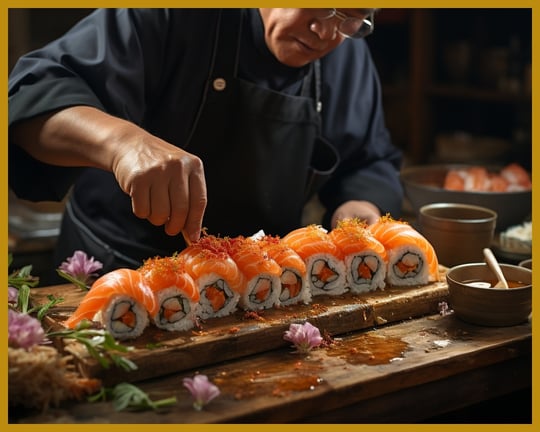
You’ll feel more confident in what you’re presenting after practicing the speech against the slides. Think of it in the same way as a chef cooking. We consider chefs experts in the kitchen. They elevate the consumer’s experience by providing delicious food that they practiced prepping, cooking, and plating.
To your audience, you’ll appear as an expert in the topic you’re discussing and it will elevate their experience. That’s because you’re not reading from PowerPoint presentations, word for word, slide for slide. Nor are you rambling about a point and trying to find your place.
However, there are some presentations that simply won’t allow for the PechaKucha method to work. They rely on breaks, excessive amounts of information, and 2 sided conversations. All factors that don’t quite fit into the PechaKucha style of presenting.
Know Your Audience Before You Choose PechaKucha
For example, you’re presenting the results of a project with stakeholders or you’re showing sales numbers by department in a presentation. PechaKucha may not work for many reasons.
1. Your audience may have questions DURING the presentation which will definitely interrupt the 20 seconds allocated per slide.
2. For presentations of this nature, you’ll likely need to display more than just a basic visual. You’ll probably add a detailed bar chart or other graph that speaks to the information you’re presenting.
3. These are the types of presentations where most people take notes. Meaning they need the words on the presentation in some form to notate. They may need to take these notes back to their departments or speak to them at the end of the presentation.
PechaKucha presentations are extremely useful and have so many benefits for the speaker and the audience. You don’t have to be a professional speaker to be skilled at presenting in a PechaKucha style presentation. You just have to know how you want to convey your information and what visuals will quickly add to your dialogue. And again. Practice, practice, practice so you can deliver your presentation naturally and flawlessly.
20×20 PechaKucha Presentation Example
Now, I gave you over 1,000 words to describe the history, purpose, pros, and cons of the PechaKucha presentation style. I have taken it upon myself to show you exactly what I mean by presenting “The Art of PechaKucha Presentations and How It Works”, in a PechaKucha presentation. I give you this fun and inventive way to display information using the PechaKucha method. 20 slides, in 20 seconds.
It was actually really fun to create this presentation and I can see why there are PechaKucha nights and PechaKucha events globally. However, I definitely understand Jason Tham and other PechaKucha specialists. This presentation format requires practice to get the timing down and convey the information properly. I am nowhere near a master of PechaKucha, but I think I did pretty well for my first PechaKucha presentation. After listening to my PechaKucha presentation, try it for yourself! Pick a topic, or even a presentation you’ve given recently. See if you can transform it into a PechaKucha style presentation and maybe incorporate it into your next meeting!