 Even great content can fall flat if it’s delivered poorly. One awkward phrase, one outdated cliché, or one moment of uncertainty can derail your entire presentation. That’s why knowing what to avoid in a speech is just as important as knowing what to include.
You might have years of experience or the perfect PowerPoint presentation, but if you open with a weak phrase, or worse, a cringe-worthy one, you risk losing your audience’s attention before your message even begins.
In this post, we’ll go through the phrases to avoid in a speech, why they’re harmful, and how to replace them with stronger, more effective alternatives. Whether you’re presenting to a small group, a packed auditorium, or a few coworkers in a meeting room, this guide will help you become a more effective speaker.
1. “Turn off your laptops and gadgets.”

Demanding that your audience put their devices away creates tension before your speech even begins. It sounds like a command rather than a respectful request. In most professional settings, people use laptops and phones for notes or to reference related materials. Treat your audience like adults. Especially in the current year, this is a big mistake to avoid in a speech. A better way to address distractions is to simply give them a reason to stay engaged. Use a funny joke, a personal story, or a surprising visual aid to grab attention. If device use is genuinely problematic, have the host mention it before your introduction. This approach shows you respect your audience’s needs and time.
A better strategy: Set the tone with compelling content. When your message is engaging, distractions become irrelevant.
2. “Is this mic on?”
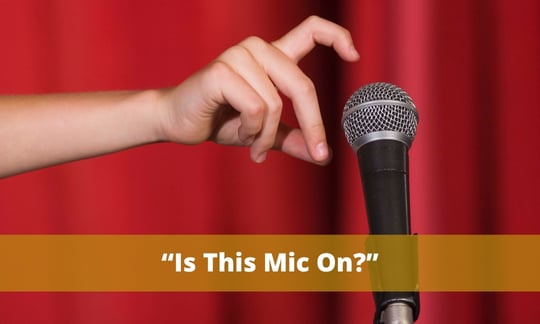
This phrase instantly tells your audience that you didn’t test your equipment beforehand. It also wastes precious opening seconds when attention is at its peak. Instead of fumbling with audio, test everything before the audience arrives. The first words of your presentation should hook listeners—not remind them of possible technical issues. Start with an anecdote, a question, or a bold statement that frames your main point. If you truly must confirm the mic is working, do it discreetly or let the AV team handle it. A smooth start increases confidence and sets the tone for effective communication.
A better approach: Open with energy and confidence. Make sure your opening line delivers impact and signals professionalism.
3. “This won’t take long.”
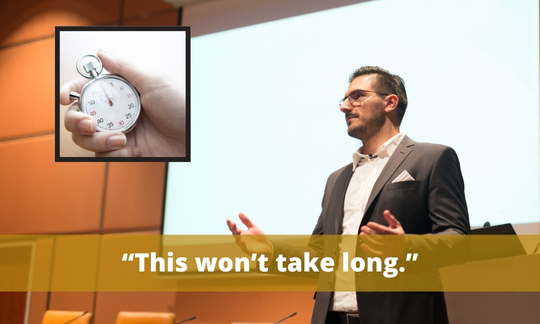
Trying to win over your audience by promising a brief speech often backfires. It implies your message lacks substance or value. It also sets a timer in your listeners’ heads. They begin counting the minutes rather than focusing on your key points. Worse, if you go longer than expected, it makes you seem disorganized or inconsiderate. Instead, honor their time by being well-structured. Use bullet points to stay on track, and break your talk into digestible sections. If you’re concise and engaging, they won’t be watching the clock. They’ll be focused on your message and how it applies to their next presentation or project.
A better tactic: Show your respect for their time through preparation. Speak clearly, stay focused, and let your structure speak for itself.
4. “You don’t need to take notes.”
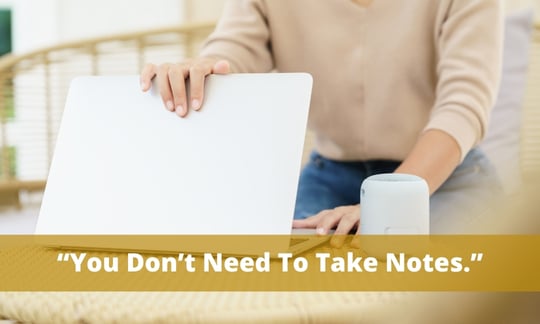
Telling your audience not to take notes unintentionally suggests that your content isn’t worth remembering. Whenever you don’t avoid this phrase in a speech, It dismisses your audiences learning preferences and makes your presentation skills seem underdeveloped. People take notes to retain information, clarify thoughts, or stay engaged. Instead of discouraging it, reinforce your key messages by stating, “This next part is especially important” or “Here’s a takeaway to remember.” Highlighting these moments builds credibility and positions you as an effective speaker. Whether you’re addressing the general public or a team of experts, showing that your material has value encourages deeper engagement and understanding.
A better strategy: Encourage engagement. Say, “Feel free to jot down anything that stands out.” That reinforces your message and boosts the perceived value of your ideas.
5. “I’m nervous” or “This is my first time.”
Admitting nervousness might feel like honesty, but it signals inexperience and erodes confidence. Your audience members want to trust you—not worry about whether you’ll make it through. Even if you’re shaking inside, project confidence on the outside. Practice deep breathing, rehearse with a teleprompter app, and rely on visual aids to guide you. Speak slowly and make eye contact. Nervous energy can be channeled into enthusiasm. Instead of disclaiming your skill, dive into a relevant story or statistic that establishes credibility. Let your content and poise convince them that you belong in front of an audience.
A better move: Start with something well-rehearsed and relevant. Let your message—not your nerves—be the focus.
6. “I already covered that.”

This phrase often comes out during Q&A sessions and feels dismissive, even if you don’t intend it that way. It implies your listener wasn’t paying attention or that their question lacks value. It also misses a chance to reinforce your main point. Instead, respond with kindness: “Great question. To recap…” or “Let me highlight that again.” You’ll come across as gracious and professional, even under pressure. Addressing repeated questions calmly reflects your strength as a communicator. Good speakers use every interaction—even repeated ones—to build rapport and reinforce important concepts.
A better response: Smile and say, “Great question. Let me highlight that again.” This makes you seem gracious and boosts your authority.
7. “Can you see this?” or “Next slide shows…”
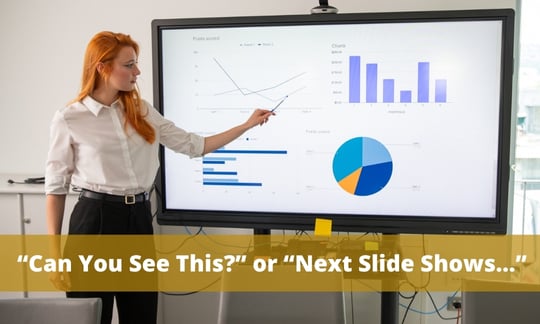
Relying too heavily on your slides creates a weak delivery. These phrases also suggest that you’re not fully prepared. If you’re asking whether your slides are visible, you’ve already lost the audience’s focus. Worse, saying “next slide shows…” makes it clear you’re reading instead of presenting. Design slides with plenty of white space and let them support your words—not replace them. If your content is strong, your slides are just a bonus. Good PowerPoint presentations are tools, not crutches. Command the room with your voice and presence, not with screen prompts. That’s the best way to stay in control.
A better approach: Transition confidently. Say, “This graphic illustrates why this works” or “Here’s where the data gets interesting.”
8. “I know this is boring, but…”

Calling your content boring immediately ensures your audience believes it. Even when covering dry material like regulations or budgets, never tell your audience it’s dull. That phrase reveals a lack of confidence and disconnect from the audience’s expectations. Instead, focus on the practical application. Say something like, “This isn’t flashy, but it can save your department 20 hours a month.” By framing even routine info as valuable, you align with the audience’s needs. Famous public speakers make any topic engaging by tying it to real-world outcomes. You can do the same with energy and a focus on the “why.”
A better way: Re-frame the topic’s value. Say, “This may not be flashy, but it can save you 20 hours this quarter.”
9. “Sorry I’m going over time.”

Apologizing mid-speech for poor time management highlights a basic error. It puts the spotlight on your mistake and distracts from your closing thoughts. Instead of an apology, wrap up gracefully. Use a transition like, “Let me leave you with one final idea.” Then, summarize your key points and close with a call to action. Practicing with a timer beforehand helps avoid this issue altogether. If you do go over, stay calm and professional. The goal is to end with impact, not apology. Audience time is precious, but so is your message. Manage both with care and confidence.
A better ending: Say, “Let me leave you with one final takeaway.” Then summarize with clarity and finish strong.
10. “I’m just going to wing it.”
Even if you think it sounds casual or charming, admitting that you didn’t prepare is never a good idea. It undermines your authority and makes the general audience question your credibility. Great communicators prepare even for small group presentations. Use notes, rehearse transitions, and outline your key messages. If you want a conversational tone, practice it—don’t improvise it (which goes for all of these mistakes in your speech to avoid). Preparation gives you the freedom to adapt while still staying on message. No matter how confident you are, saying you’re unprepared rarely leads to a good presentation. Plan ahead, and your audience will notice the difference.
A better mindset: Prepare ahead of time and deliver with intention. Rehearsal leads to natural delivery, not stiffness.
11. “I’m no expert, but…”

This phrase might seem humble, but it sabotages your authority. If you’re speaking on a topic, you have something worth sharing. Prefacing it with doubt makes people tune out. It also invites skepticism from your audience. Rather than downplaying your insights, say, “Here’s what my experience has taught me” or “In my work with clients, we’ve seen…” Even if you don’t have a PhD, your knowledge is valuable. Human beings relate to confident, relatable speakers. Don’t undercut yourself with disclaimers. Own your perspective—it’s the reason you’re standing in front of others in the first place.
A better option: Say, “In my experience…” or “Here’s what I’ve found effective.” This builds trust without sounding arrogant.
12. “Good luck!”

Ending with “good luck” feels friendly, but it falls flat. It shifts the responsibility away from you and weakens your conclusion. It’s fine in casual conversations, but not on a stage. Instead, end with a challenge, a call to action, or a memorable quote. Think about how TED Talks or famous public speakers conclude their remarks. They inspire their audiences, not send them off with vague well-wishes. The closing of your speech should reinforce your message, not dissolve it. Aim to finish strong, leaving your audience with something they can apply to their next speech, meeting, or decision.
A better close: Finish with a call to action, a challenge, or a quote that reinforces your theme and leaves a lasting impression.
13. “I’ll be quick because I know you’re all busy.”
Yes, your audience is busy. But reminding them of that takes focus away from your message. It signals that you’re rushing, which can make people tune out. Worse, it implies your content isn’t worth their time. Start instead with, “Let’s make the most of our time together” or “Here’s something that can save you time moving forward.” That puts you on their side. By framing your talk as a solution to their challenges, you become an ally rather than an interruption. Whether you’re speaking at a high school, corporate event, or leadership summit, show that you value their attention by delivering value in return.
A better opener: Say, “Let’s make the most of our time together.” It’s positive, respectful, and keeps the audience focused on what matters.
Final Thoughts: Want to Be a Better Speaker? Start With What to Avoid in a Speech.
Public speaking is one of the most important skills in professional life. Whether you’re leading a meeting, pitching a new product, or giving a keynote at a conference, the language patterns you use make a big difference.
By learning what to avoid in a speech, you instantly become more confident, more relatable, and more powerful. Drop the disclaimers. Skip the apologies. Cut the clichés. Replace weak phrases with strong openings, relevant examples, and stories that reinforce your message.
Remember, your words are a powerful tool. Use them wisely. Speak with purpose. And the next time you stand in front of an audience, you’ll know exactly what phrases to avoid in your speech, and which phrases to use.